The synthetic motor oil benefits debate should have ended years ago—yet myths persist. Full synthetics outperform conventional oils in cold flow, thermal stability, oxidation resistance, and long-term engine cleanliness. Modern turbocharged and direct-injection engines practically demand them. This guide explains why synthetic lubricants are the best choice for most 2026 drivers, with honest brand comparisons and zero hype.
We evaluate Millers Oils, Mobil 1, Castrol, Shell, Motul, LIQUI MOLY, VP Racing, TotalEnergies, and Valvoline—not unsupported marketing claims. Every benefit below ties to chemistry you can verify on a data sheet.
New to specifications? Read our motor oil guide. Ready to service? Follow the engine oil change guide. Shop synthetics at oilteck.com/shop.
What Makes Synthetic Motor Oil Different
Synthetic base stocks are engineered rather than simply refined from crude. Group III hydrocracked oils, PAO, and ester blends contain fewer unstable molecules. Additive packages build on that foundation for detergency, anti-wear, and viscosity modifiers.
The result: oil that behaves predictably from −35°C cold cranking to 130°C turbo supply temperatures. Synthetic motor oil benefits start at the molecular level and show up as kilometres of reliable service.
Advantages of Full Synthetic Engine Oil
Key advantages of full synthetic engine oil include:
- Faster cold-start circulation reducing cam and turbo wear
- Higher oxidative stability resisting thickening between changes
- Better deposit control keeping pistons and galleries cleaner
- Stronger film strength under high load and high shear
- Broader OEM approval coverage on modern platforms
- Potential for longer drain intervals where manufacturer permits
These are not marketing bullet points—they are measurable properties on ACEA and API test benches and in field fleet studies.
Synthetic vs Conventional Oil Performance
Synthetic vs conventional oil performance gaps widen as engines become more demanding. Conventional oils use larger fractions of unstable hydrocarbons. They oxidise faster, form sludge sooner, and thin less predictably under turbo heat.
Independent testing consistently shows synthetics maintain viscosity grade longer and reduce wear metals in used-oil analysis. The upfront price premium—often €15–€30 per change—pales against turbo or chain replacement.
Semi-synthetic blends offer partial benefits. They cannot match full synthetics on DPF-compatible Low SAPS diesel service or high-output turbo petrol platforms.
Cold Start Protection in Baltic Winters
Riga and Tallinn mornings regularly hit −15°C or lower. SAE 0W and 5W synthetics flow to critical surfaces faster than mineral oils with the same label rating from budget refiners.
Most wear occurs in the first seconds after cranking. Faster oil pressure rise means less metal-to-metal contact on cams, chains, and turbo bearings. This alone justifies synthetics for daily winter commuters.
Synthetic Motor Oil for Turbo Engines
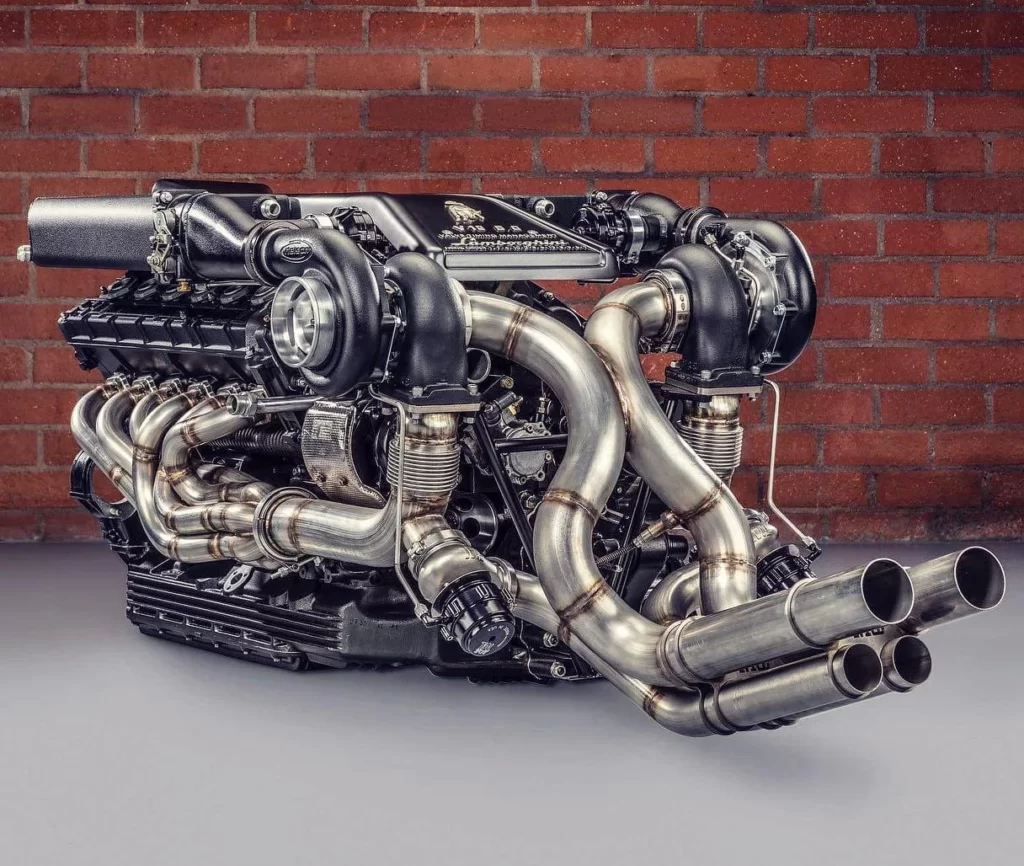
Turbochargers push oil to its limits. Hot shutdowns cook oil in the feed line. Cold starts starve bearings until pressure builds. Synthetic motor oil for turbo engines resists coking, maintains HTHS viscosity, and carries heat away from the turbine side more effectively than mineral alternatives.
Allow brief idle cooldown after spirited driving. Pair quality synthetic with timely filter changes. For extreme heat, ester-enhanced products from Motul, Millers Oils CFS NT+, or VP Racing offer additional thermal headroom when specifications match—see our Millers NANODRIVE comparison and VP Racing guide.
Long Life Synthetic Oil Benefits
Extended-drain synthetics—Mobil 1 Extended Performance, certain OEM Longlife fills—carry additive reserves that maintain TBN and dispersancy over 15,000–30,000 km in ideal conditions. These long life synthetic oil benefits depend on clean air filters, quality fuel, and mostly highway driving.
Short-trip city cycles shorten effective life regardless of label claims. Oil-life monitors compensate by triggering early changes when fuel dilution or moisture accumulates.
Never exceed the interval your handbook or oil-life system permits. Extended marketing on the bottle is not permission to ignore your specific engine.
Cleaner Engines and Emissions System Protection
Low SAPS synthetics protect diesel particulate filters and petrol particulate filters by limiting ash-forming metals. ACEA C3, C4, and C5 sequences define these limits. Using conventional high-SAPS oil in a DPF engine clogs filters and triggers workshop visits.
Detergent packages in premium synthetics keep piston ring lands cleaner, reducing oil consumption and maintaining compression. Cleaner engines pass emissions tests longer and sell better used.
Industry Standards and OEM Testing
ACEA and OEM approvals exist because bench tests predict field performance. Synthetic formulations from major brands invest heavily in approval testing across VW, BMW, Mercedes, Stellantis, and Ford portfolios.
An unapproved cheap synthetic—if it is synthetic at all—may lack the SAPS control or LSPI protection your engine requires. Approval codes on the label are non-negotiable.
Best Synthetic Motor Oil Brands 2026
No single brand wins every category. This best synthetic motor oil brands 2026 overview reflects European market strengths.
Mobil 1
Global reference point. ESP and Extended Performance lines dominate Low SAPS diesel and petrol specs. Excellent availability and published technical data.
Castrol Edge
Strong VW and BMW alignment. Edge 5W-30 and 5W-40 are workshop staples across the Baltics when approvals match.
Shell Helix Ultra
PurePlus gas-to-liquid bases on flagship products. Clean-engine marketing backed by solid OEM partnerships.
Motul 8100
Ester chemistry favours high-temperature stability. Popular with enthusiasts and track-day participants running street-legal specs.
LIQUI MOLY
German diesel and petrol depth. Top Tec and Leichtlauf ranges cover extensive approval lists. Detailed guidance in our LIQUI MOLY 5W-40 article.
Millers Oils
UK motorsport heritage with NANODRIVE friction reduction. EE Performance for street OEM compliance; CFS NT+ for heat-heavy use. Deep dive: Millers CFS 5W-40 NT+.
TotalEnergies Quartz
Competitive pricing and French OEM alignment. Solid fleet choice across Europe.
Valvoline SynPower
Credible US-EU crossover synthetics. Verify Euro diesel DPF approvals before purchase.
VP Racing
Performance-oriented formulations for racing culture. Evaluate carefully for daily DPF diesel duty—see dedicated VP Racing oil guide.
Fuel Economy and Friction Reduction
Synthetics reduce internal friction modestly versus mineral oils—typically one to three percent fuel economy improvement in controlled fleet tests, though individual results vary. Friction modifiers and lower cold viscosity contribute.
Do not expect dramatic savings. The primary economic case for synthetics is engine longevity and reduced downtime—not fuel bills alone.
When Conventional Oil Still Makes Sense
Classic cars with flat tappet cam profiles sometimes specify mineral oils with high ZDDP content. Some very old industrial engines lack tight tolerances that exploit synthetic flow.
For the vast majority of 2026 passenger vehicles—turbo petrol, direct injection, hybrid, DPF diesel—full synthetic is the correct default.
How to Switch to Synthetic Oil
Switching is straightforward when specification matches. Drain the old oil, replace the filter, fill with approved synthetic. There is no mandatory “break-in” period on modern engines past the first factory fill.
High-mileage engines may consume slightly more oil initially as synthetics clean internal deposits. Monitor dipstick level weekly for the first month. Address mechanical leaks separately.
For service procedure detail, read our full synthetic oil change guide.
Viscosity Choice Within the Synthetic Category
Synthetic quality does not replace correct grade. 0W-20, 5W-30, and 5W-40 synthetics each serve different engine designs. Using the wrong grade—even a premium synthetic—creates wear and emissions issues.
Compare grades in our 0W-20 vs 5W-30 article and best 5W-40 roundup when your handbook offers options.
Used Oil Analysis: Proof in the Data
Send a sample of used synthetic oil to a lab for wear metals, viscosity, and TBN analysis. Results often show lower iron and aluminium levels versus conventional oil in the same engine over equal intervals.
Fleet operators use analysis to extend drains safely. Enthusiasts use it to catch bearing wear early. Synthetics consistently outperform mineral oils in these programmes.
Cost vs Value Over Vehicle Lifetime
Assume €25 extra per change versus mineral oil, twice yearly, over ten years: €500 premium. One turbo rebuild exceeds €1,500. Timing chain service can cost €2,000+. Synthetics are inexpensive insurance.
Buy from specialist distributors who stock genuine product. Counterfeit oil exists in grey markets. Oilteck supplies verified stock across the Baltic region.
Anti-Wear Additives and ZDDP in Modern Formulations
Zinc dialkyldithiophosphate protects cam lobes and lifters. Modern emissions limits reduced ZDDP levels because zinc poisons catalytic converters. OEM-approved synthetics balance wear protection with catalyst compatibility through alternative chemistries—boron, molybdenum, and ashless anti-wear systems.
Classic car owners sometimes seek high-ZDDP break-in oils. That chemistry is wrong for modern three-way cats and DPF hardware. Match the era of your engine, not forum nostalgia.
Shear Stability and Viscosity Retention
Oil thins under mechanical shear in the ring pack and cam contacts. Polymers maintain grade, but cheap oils lose viscosity faster. ACEA A3/B4 and many OEM tests include shear stability requirements that quality synthetics pass consistently.
If used oil analysis shows viscosity dropped below grade before the interval ends, upgrade to a product with stronger shear stability or shorten the drain period. Shear loss equals thinner protection where the engine needs it most.
Ester Chemistry and Boundary Lubrication
Ester base stocks cling to metal surfaces more tenaciously than PAO alone. Motul, Millers Oils, and some Shell formulations leverage esters for high-temperature film strength. The benefit is real on turbo bearings and high-rev cam contacts when specifications align.
Ester-enhanced oils cost more. They shine on track days, mountainous towing, and sustained high-load motorway driving. Pure commuting on a spec-compliant 5W-30 from Castrol or Mobil 1 remains adequate when approvals match.
Synthetic Oil in Extreme Cold: Baltic Case Study
Independent cold-room testing consistently shows quality 0W-20 and 5W-30 synthetics reach critical pumpability thresholds faster than budget mineral equivalents bearing the same SAE label. The difference is base stock purity and pour-point depressant quality.
Fleet operators in Latvia report fewer cold-start complaints after switching from generic bulk oil to approved synthetics—especially on stop-start urban routes where the engine never fully warms. Faster pressure rise means less tick on startup.
Compatibility With Aftermarket Modifications
ECU tunes, larger turbos, and track use raise thermal and shear stress. Factory-fill specification may become marginal. Enthusiasts often move to Motul 8100, Millers Oils CFS, or LIQUI MOLY Leichtlauf within the same viscosity band and approval set—or accept shorter drain intervals on a higher-performance product where OEM codes still apply.
Never assume racing oil suits daily DPF duty. VP Racing and similar lines target specific use cases—read labels carefully before installing in a road car with emissions hardware.
Debunking the “Synthetic Causes Sludge” Myth
Sludge forms from oxidised mineral oil, infrequent changes, and coolant contamination—not from quality synthetics. In fact, synthetics resist sludge formation better than conventional oils when changed on schedule.
Engines with existing sludge from years of neglect may shed deposits after switching to synthetic detergent packages. That looks alarming on the dipstick but reflects cleaning action. Continue the interval and monitor—severe cases need professional flushing, not repeated brand hopping.
Warranty and Manufacturer Requirements
New-car warranties require oil and filter changes per the service schedule using approved specifications. Using non-approved oil—even full synthetic—can void powertrain coverage if failure is attributed to lubrication.
Keep invoices showing oil brand, viscosity, and approval codes. Photograph bottle labels at service time. Documentation protects you during warranty disputes and when selling the vehicle.
Particulate Filters and Why Oil Choice Affects Petrol Cars Too
Petrol particulate filters on direct-injection engines impose Low SAPS requirements similar to diesel DPF systems. GPF clogging from wrong oil chemistry triggers power loss and regeneration cycles that feel like turbo lag. Synthetic motor oil benefits extend to GPF-equipped petrol platforms—not only diesels.
Verify ACEA C categories and OEM petrol approvals on the bottle before filling a GPF car. Castrol Edge, Shell Helix, Mobil 1, LIQUI MOLY Molygen, and TotalEnergies Quartz offer suitable Low SAPS petrol synthetics when codes match.
Noise, Vibration, and What Oil Cannot Fix
Ticking at startup that fades may improve with fresh synthetic and faster cold flow. Persistent knock, rattle, or metallic scrape indicates mechanical wear—chains, lifters, rod bearings—not curable by brand switching alone.
Used oil analysis detects elevated iron, copper, or aluminium before audible failure. Enthusiasts running Millers Oils or Motul on tuned engines often sample oil mid-interval to catch bearing wear early.
Buying Synthetic Oil Online vs Retail Shelves
Specialist online retailers including Oilteck stock full product ranges with batch traceability. Shelf space at general auto stores limits approval breadth—you may find Castrol Edge 5W-30 but not the exact LL-04 variant your BMW requires.
Order by approval code search, not by price alone. Delivery across Latvia, Estonia, and Lithuania makes online purchase convenient for DIY and workshop buyers alike.
Temperature Extremes and Oil Pump Performance
Synthetic base stocks maintain pumpability at temperatures where mineral oils gel. Baltic −25°C mornings stress starter motors and oil pumps alike. Faster lubrication reduces combined wear on both systems during the critical first ten seconds.
Summer track days push sump temperatures above 130°C on some platforms. Synthetics resist vapour loss and maintain HTHS viscosity where mineral oils thin beyond safe margins. Match product to your worst-case scenario, not average commuting.
Corporate Sustainability and Re-Refined Oils
Re-refined base stocks appear in some fleet products. Quality re-refined oils meeting ACEA and OEM tests perform adequately in specified applications. Enthusiasts and turbo owners typically prefer virgin synthetic formulations from established brands for maximum additive consistency.
Synthetic motor oil benefits include reduced total waste when extended drains are safely practised. Balance environmental goals with manufacturer minimum requirements—never stretch intervals purely to reduce disposal volume.
Quick Reference: When Synthetic Is Non-Negotiable
Choose full synthetic without debate when your vehicle has any of the following: turbocharger, direct injection, DPF or GPF, manufacturer Longlife or extended service programme, or oil-life monitoring tied to ACEA C sequences.
Older naturally aspirated port-injection engines without emissions aftertreatment offer more flexibility—but even those benefit from synthetic detergency and cold flow in Baltic winter conditions.
Related reading themes: synthetic vs conventional oil performance, synthetic motor oil for turbo engines. Match each idea to your handbook before you buy.
Baltic Ownership Checklist and Specification Discipline
Drivers in Latvia, Estonia, and Lithuania face cold starts, short urban trips, and occasional highway heat in the same season. That mix stresses oil differently than a mild climate commute. Use the handbook first. Confirm SAE grade and OEM approvals before you buy. Then match drain intervals to real use—not only the longest marketing claim on the bottle.
When comparing premium synthetics, read the European sequences published by the ACEA European oil sequences programme. ACEA classes clarify diesel particulate filter constraints, HTHS expectations, and petrol versus light-duty diesel intent. Pair that reading with our motor oil guide and viscosity notes in 0W-20 vs 5W-30 when your handbook lists more than one grade.
Oilteck stocks performance and street lubricants for Baltic delivery through the Oilteck shop. If you are unsure between a street-approved synthetic and a motorsport-leaning ester oil, contact support with your engine code, mileage, and driving profile. Correct oil plus honest drain intervals protects turbos, rings, and emissions hardware better than brand loyalty alone.
Related Oilteck Guides Worth Reading Next
Continue with Millers NANODRIVE vs top synthetics, CFS 5W-40 NT+, LIQUI MOLY 5W-40 diesel guide, best 5W-40 motor oil, and synthetic motor oil benefits. Cross-linking these topics helps you build a coherent oil strategy for Baltic winters, track days, and daily commuting.
Frequently Asked Questions
Are synthetic motor oil benefits worth the higher price?
For virtually all modern engines, yes. Protection during cold starts, turbo operation, and extended intervals exceeds the modest per-change cost increase.
Does synthetic oil cause leaks in older engines?
No. Synthetics do not attack seals. They may flow through existing weak seals faster, revealing leaks that mineral oil masked. Fix the seal rather than downgrading oil quality.
Can I use synthetic oil in a diesel with DPF?
Yes—provided the product meets Low SAPS requirements (typically ACEA C3 or equivalent OEM diesel approvals). Not all synthetics are Low SAPS.
How often should I change synthetic motor oil?
Follow the manufacturer interval and oil-life monitor. Many owners change turbo engines every 10,000–12,000 km for added margin.
Which synthetic brand is best?
The best brand is the one carrying your exact OEM approvals at a fair price. Mobil 1, Castrol, Shell, Motul, LIQUI MOLY, and Millers Oils all produce excellent products within matching spec bands.
Where can I buy premium synthetic oil in the Baltics?
Order from oilteck.com/shop. Oilteck stocks leading synthetic lines with delivery across Latvia, Estonia, and Lithuania.
Conclusion
Synthetic motor oil benefits are real, measurable, and increasingly essential. Cold-flow protection, turbo stability, cleaner engines, and emissions compatibility make full synthetics the best default for 2026 passenger cars and light commercial vehicles.
Choose specification over slogans. Match OEM approvals. Change filters on schedule. The brands listed here—Millers Oils, Mobil 1, Castrol, Shell, Motul, LIQUI MOLY, VP Racing, TotalEnergies, Valvoline—deliver when the label matches your handbook.
Upgrade your next fill. Browse verified synthetics at oilteck.com/shop. Oilteck supports drivers who refuse to compromise on engine protection.